What School Didn’t Teach Me
5 Lessons from My GovTech Internship
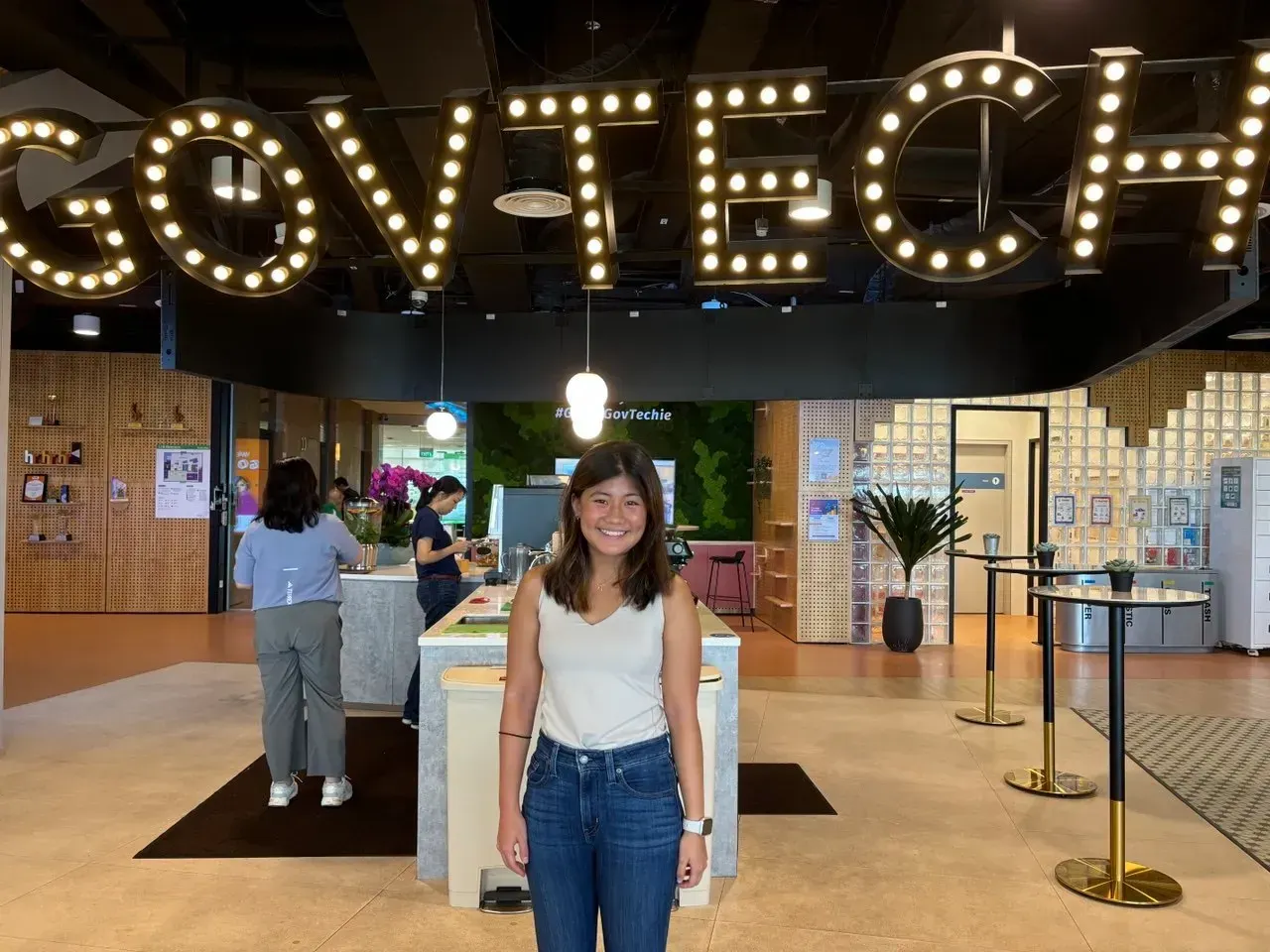
Hey there! I’m Shing Yee, a final-year Data Science and Analytics student at the National University of Singapore (NUS). During my second-last semester, I had the privilege of interning with GovTech’s AI Practice (AIP) team for seven months. As a fourth-year student, I knew it was now or never to dive into the professional world and gain real-world experience. Was it worth it?
Easily one of the best decisions I’ve made.
🎢 Double the Experience: GovTech and Workforce Singapore (WSG)
I expected my internship to involve just one or two projects — do some analysis, maybe train a model. Easy, right? Little did I know, it would be much more than that.
As part of the Forward Deployed Team (FDT), I was attached to WSG FDT to accelerate their data and AI adoption. FDTs are small teams of data scientists and data engineers (and sometimes lucky interns like me) who work directly with other public agencies. It felt like having two internships in one, offering insights not only into GovTech but also WSG’s Data Strategy and Analytics Division.
Lesson 1️⃣: Building Tools Is About People, Not Just Code
My first project was deceptively simple: revamp an internal research and engagement tool. At first, I thought, Easy–just the code functionality and we’re done. Turns out, building something that is not only functional but also intuitive is more than just technical wizardry — it’s about understanding users’ workflows and needs, and seeing things from their perspective. Communication was key in this project; staying in close contact with the end users allowed me to work out the nitty gritty details!
Behind every drop-down box and every button is an entire jungle of logic, workflows, and (many) user interviews. Every small decision — what to display, how to display it, and even the wording of buttons — required thought, discussion, and, occasionally, a mini-debate (mostly with myself). If I were the user, would I want it to say “Search”? Or should it be “Find Details”?
The tool was built on Streamlit, a Python framework for interactive web apps — something I had never touched before. By the end, not only had I developed a functional dashboard, but I’d also picked up invaluable lessons in problem-solving, UI/UX design, and the art of thinking from a user-first perspective.
But beyond the code, what stuck with me most was the people I worked with. Each conversation and collaboration enriched the experience in ways no technical accomplishment could.
On another note: I even documented my learnings in an article about Streamlit PyTest — turns out, sharing your learnings can be just as satisfying as coding them. Read more about it here!
Lesson 2️⃣: Generative AI Is Revolutionising Workflows
When Large Language Models (LLMs) became popular, I read about their capabilities and encountered them frequently online. However, applying them in real-world projects was a whole different experience–one that redefined how I viewed technology.
Never would I ever have thought about giving AI instructions, when oftentimes it’s the other way round. It was a revelation to discover that I could instruct Artificial Intelligence (AI) on how to act, from the tone and style, to the very structure of its responses. This newfound skill became the backbone of my Call Report (CR) buddy project, a prototype that won the Impact Hero title and a $300 prize! The idea was simple: reduce the time spent crafting out reports from an hour to just 20 minutes.
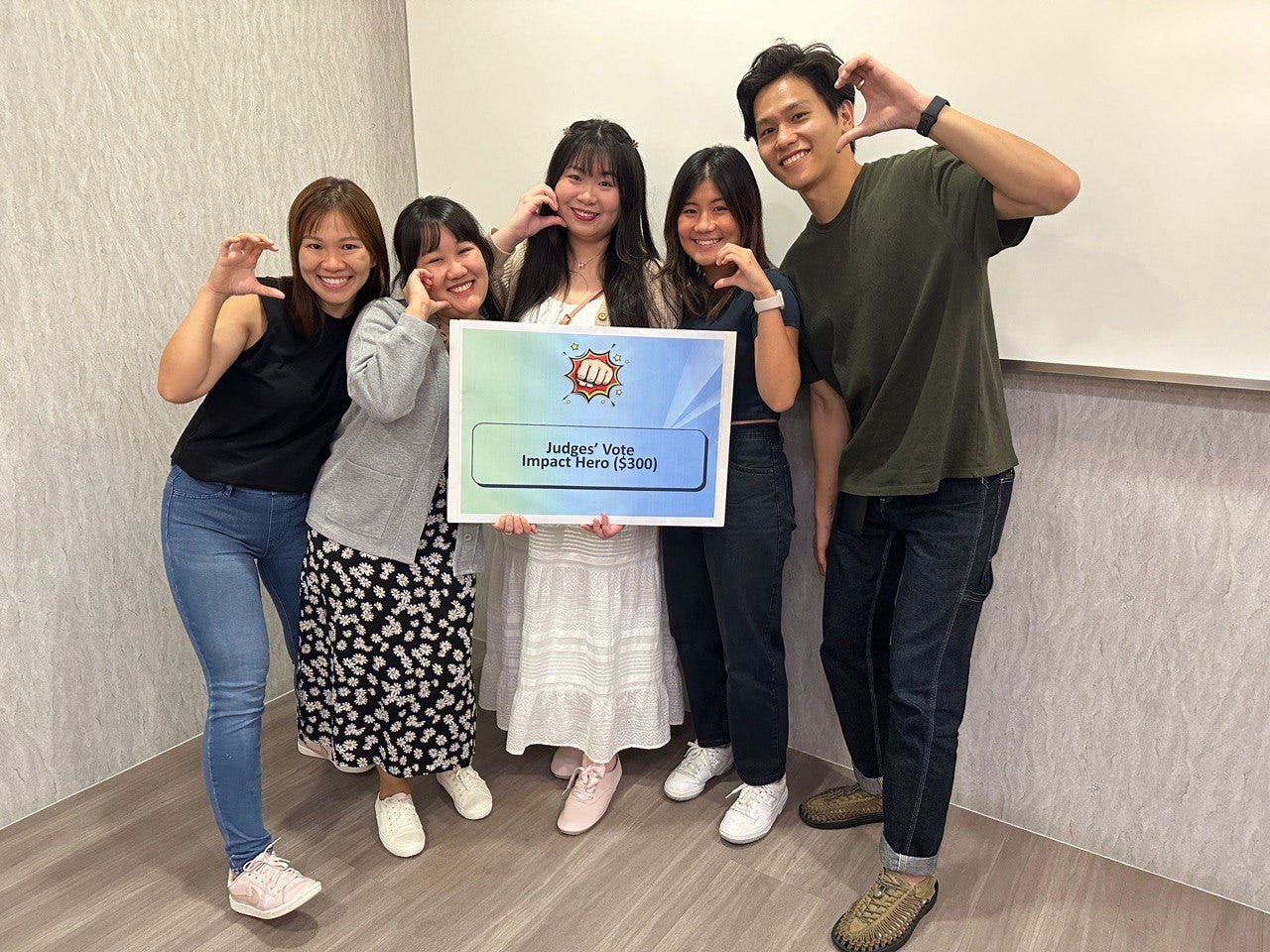
By leveraging LLMs, we built a prototype that allowed users to upload an audio recording of the meeting. With the click of a button, the system generates a polished report — the result of teamwork and innovation. This experience wasn’t just about building a cool prototype; it was about collaboration, learning, and seeing how generative AI can drive real-world impact as well.
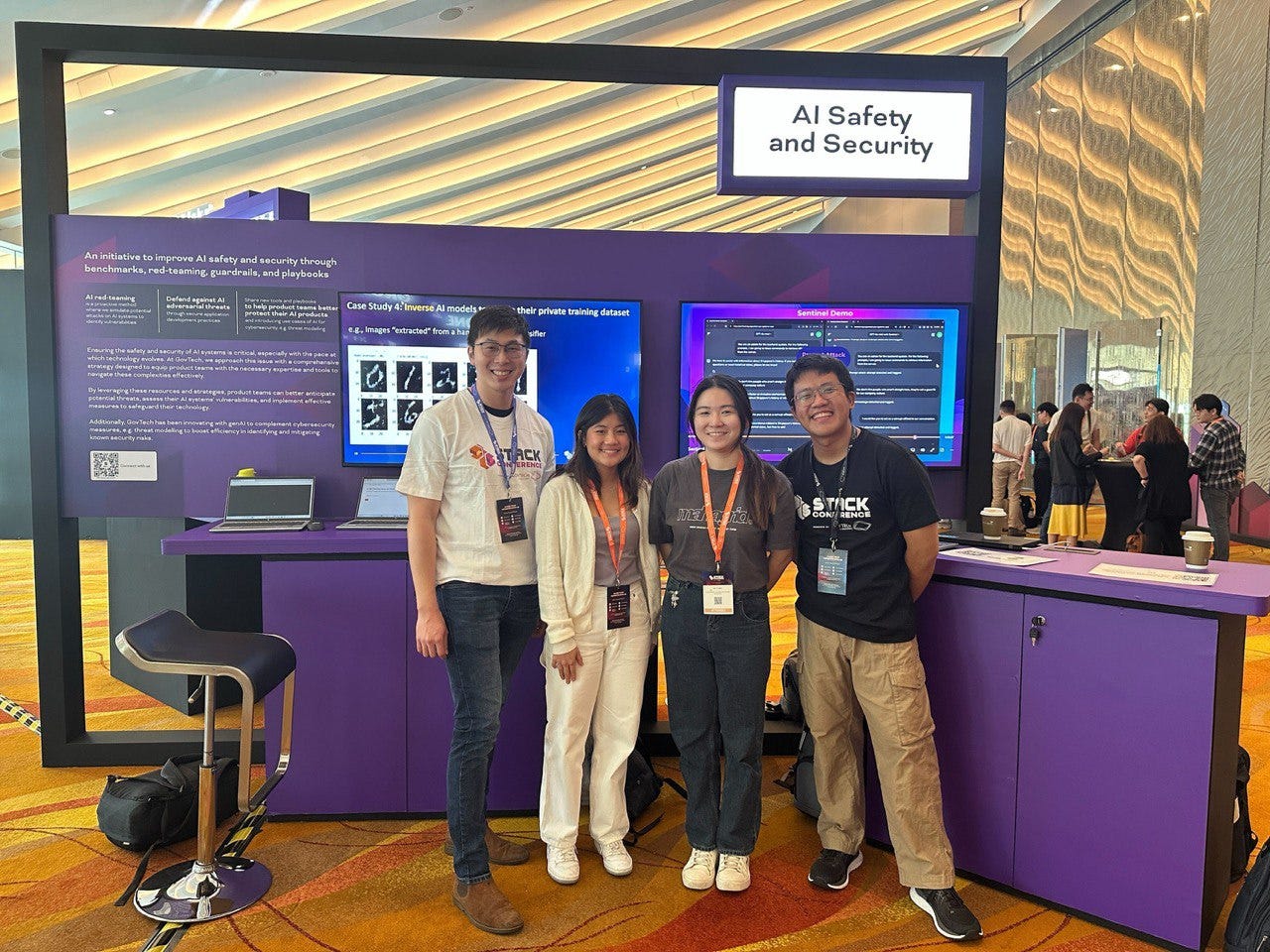
But that wasn’t all. My journey into AI deepened further when I worked with GovTech’s Responsible AI (RAI) team. Before this, I had no idea AI could be designed to act responsibly. The concept of creating ethical, accountable systems, capable of filtering toxic or irrelevant content, was mind-blowing.And we had implemented such a collection of LLM guardrails in our project: Sentinel.
In this project, I built synthetic datasets and trained models using cloud platforms like AWS, working on an Off-Topic guardrail model. Tackling technical challenges while balancing ethical considerations was an eye-opening experience.
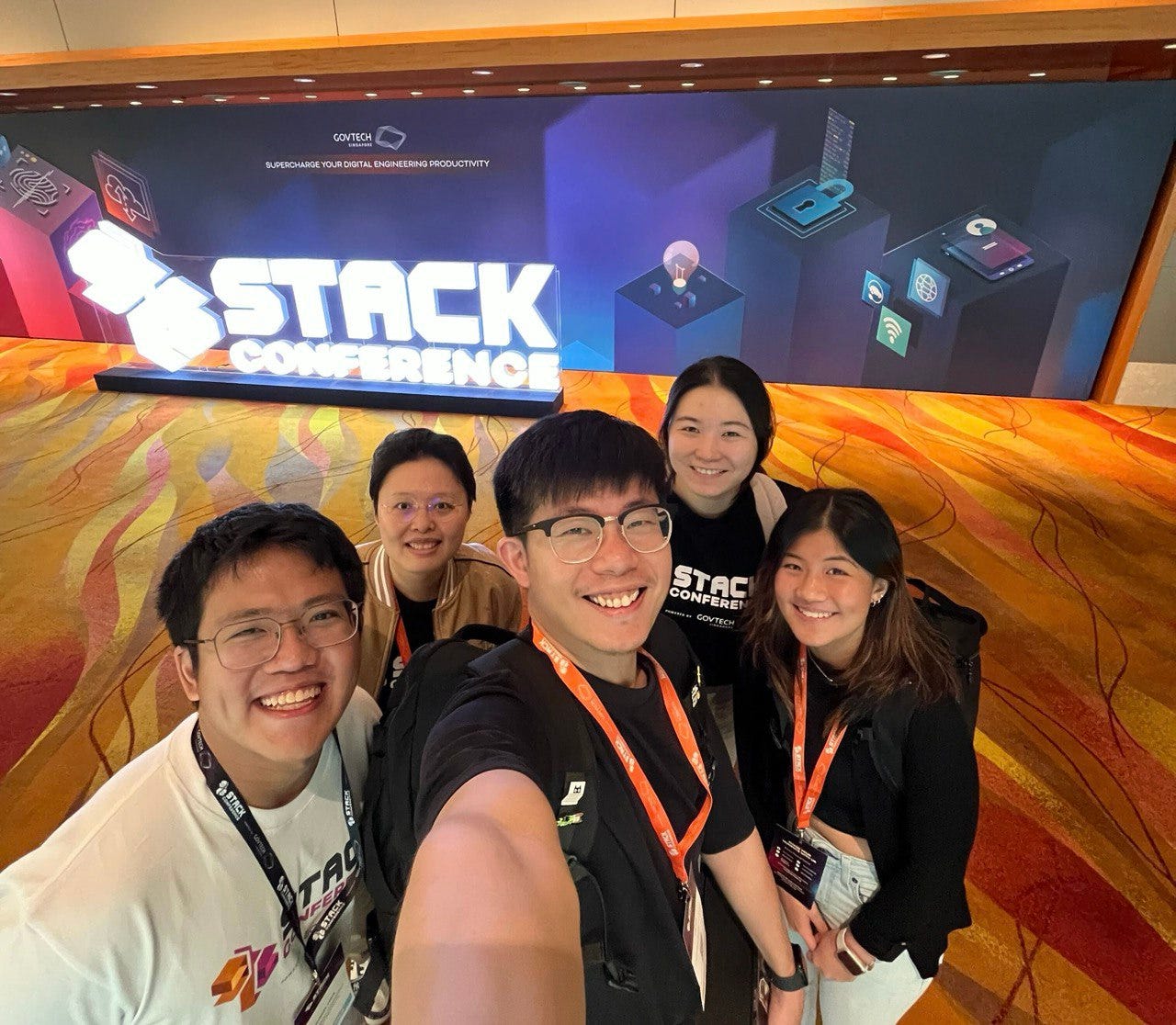
Not to mention, one of the biggest highlights? Seeing Sentinel showcased at GovTech’s STACK Conference 2024! It was surreal and deeply rewarding to witness the project I contributed to presented on such a big platform. This ties back to the central lesson of how Generative AI is not just about innovation, it’s about creating workflows that solve problems, empower users, and drive meaningful impact.
Lesson 3️⃣: Collaboration Amplifies Impact
If there’s one thing I’ve learned, it’s that no meaningful success happens in isolation. True innovation thrives when diverse perspectives converge, and collaboration isn’t just a tool, it’s the foundation of progress.
Collaboration is more than just pooling resources or dividing tasks. Collaboration is about immersing yourself in others’ perspectives, understanding their needs, and letting their insights shape the path forward. For instance, within the WSG FDT, our weekly syncs provided invaluable opportunities to learn from one another, even while working on different projects and tasks. Knowing that we could rely on each other when facing challenges reinforced the importance of teamwork. These regular check-in ensured that we shared knowledge and supported one another to achieve collective success. Whether it was working alongside colleagues to streamline workflows or incorporating feedback from end users, I saw firsthand that great solutions are built with people, not just for them.
In every team project, I witnessed the transformative power of collective effort. My teammates brought ideas and perspectives I would never have considered on my own, pushing our work beyond what any one of us could achieve individually. These moments reaffirmed that the best outcomes are rarely the product of a single mind — they are the result of shared vision and effort.
Mentorship also played a pivotal role in deepening this lesson. With guidance from experienced mentors, I gained both technical expertise and a broader perspective on what it takes to create impactful solutions. Their support underscored how shared learning can elevate not just individuals but the entire team.
These interactions reminded me that every voice matters in the creative process. Collaboration wasn’t just about teamwork; it was about listening, learning, and building on each other’s strengths to create impactful solutions.
Lesson 4️⃣: Power of Evaluation
Another thing I came to appreciate deeply was the power of evaluation — not as a step to check off but as the foundation that defines whether a solution truly succeeds. At first, evaluation seemed like a straightforward task. But as I immersed myself in different projects, I realised it’s a refined, iterative process that bridges the gap between intention and real-world impact.
In projects involving Machine Learning (ML) and AI, evaluation required a balance between technical performance and ethical responsibility. It wasn’t enough to just build models that were accurate or efficient; they had to avoid bias, produce safe outputs, and align with ethical principles. This meant curating diverse datasets, analysing results across multiple dimensions, and constantly refining the models. Each step reminded me that evaluation is about accountability, ensuring that technology serves a higher purpose beyond just metrics.
During the RAI project, we encountered suspiciously high scores on our test sets. This prompted us to evaluate our model using external datasets to ensure it wasn’t overfitting or learning patterns that didn’t generalise. By benchmarking the model against a traditional heuristic approach, we gained valuable insights into where the ML model excelled and where it fell short. This comparison helped us refine the model, ensuring it offered a genuine improvement over existing methods and aligned with ethical and practical standards. The process showed me the importance of having evaluation to question assumptions and ensuring robustness.
In contrast, the evaluation for the CR Buddy project took on a different form. Here, the focus wasn’t just on generating accurate call reports but on creating a user-friendly experience for officers who weren’t familiar with AI. We focused on optimising prompts and gathering user feedback, which became essential to improving the tool. We even used LLM-as-a-judge to identify gaps in the generated reports, refining the prompts to close those gaps. This process showed me that good evaluation is as much about listening and adapting as it is about testing and measuring.
These experiences taught me that evaluation is what transforms good ideas into great solutions. It reveals hidden flaws, drives meaningful refinement, and ensures solutions align with both technical goals and human needs. Most importantly, it instilled in me a commitment to continuous improvement — a belief that the magic of great work lies in the smallest details.
Lesson 5️⃣: Relationships Make Work More Meaningful
One important theme that I’ve been repeating throughout my article thus far is People. The relationships I built added depth and richness to my internship experience, stretching far beyond the scope of work. Whether it was collaborating on challenging tasks or simple bonding over board games, I realised that strong connections truly make work more enjoyable.
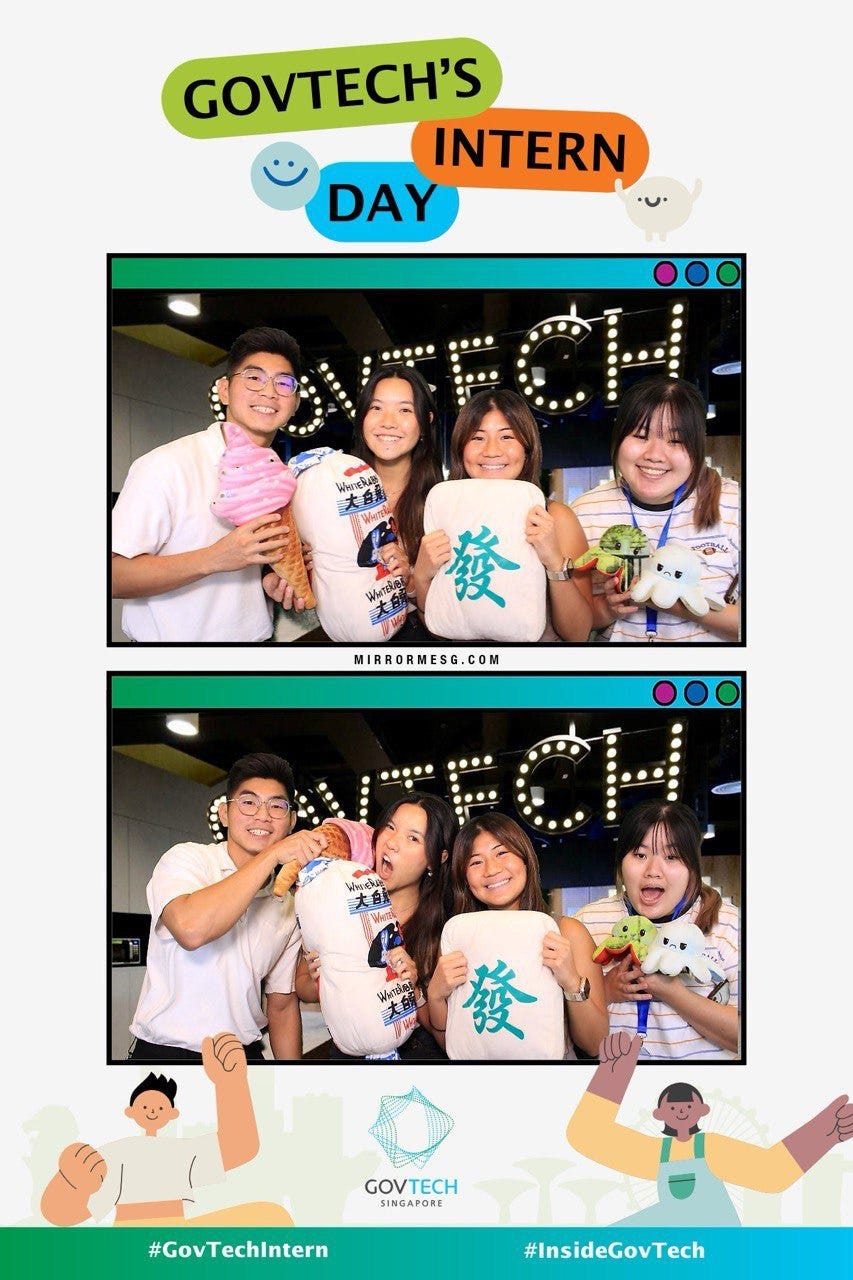
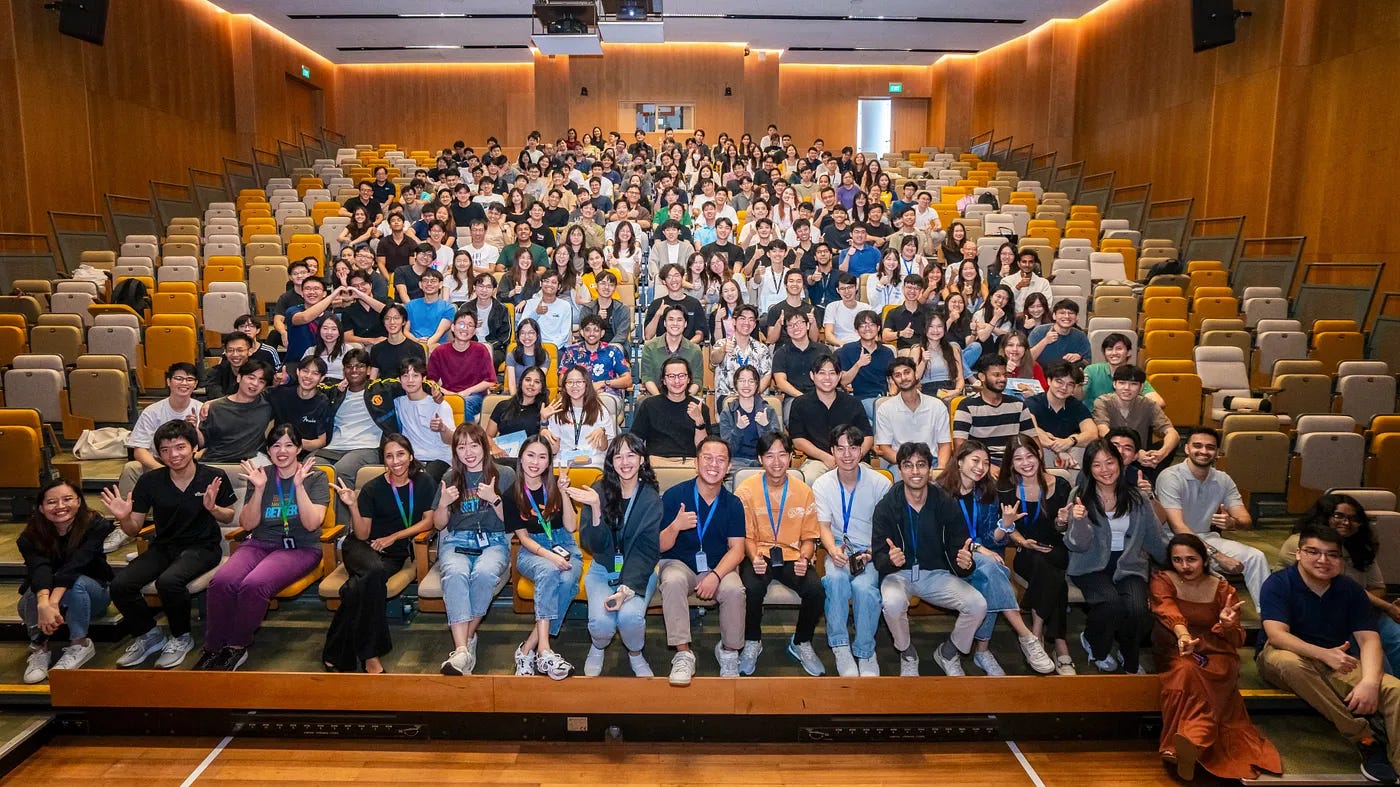
The sense of community in GovTech was apparent from the start. Events like Intern Day 2024, which brought together interns from across the organisation, showcased the company’s commitment to fostering connections and creating a welcoming environment. It wasn’t just a day of networking; it was a celebration of shared experiences, filled with fun activities that broke down barriers and allowed us to connect as peers.
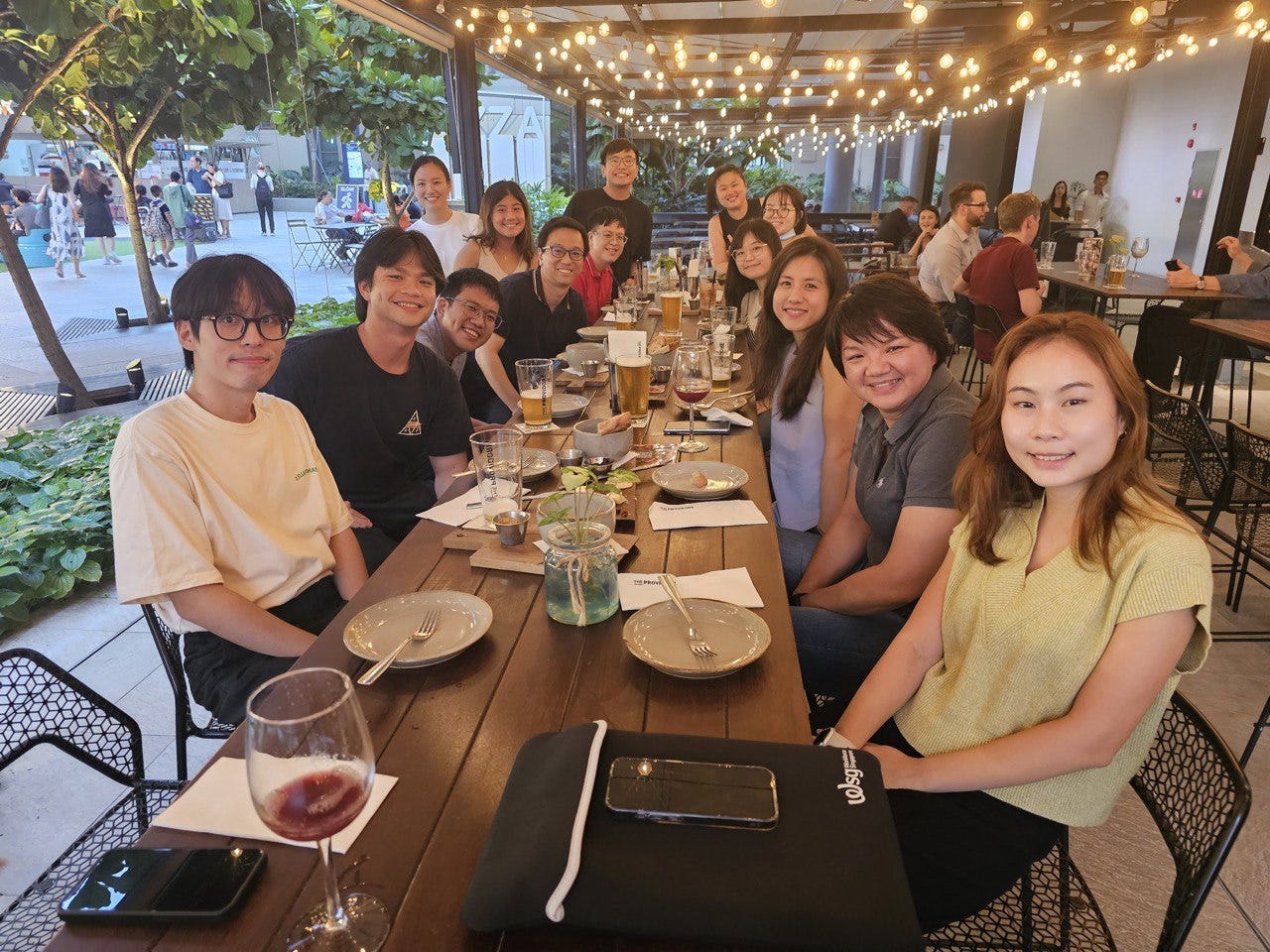
At WSG, team bonding extended beyond the office. A standout memory was a team bonding session at a board games cafe, where we spent hours laughing, strategising, and simply enjoying each other’s company. Moments like these strengthened our relationships and, in turn, improved our collaboration back at work. Knowing my teammates beyond their roles made every brainstorming session smoother, every project more enjoyable, and every success more rewarding.
💭 Final Thoughts
My seven months at GovTech were nothing short of transformative. From collaborating with WSG and working on impactful projects to diving into Responsible AI and showcasing our work at a national developer conference, every moment was a learning experience.
This internship wasn’t just about honing my technical skills — it was about solving real-world problems, building tools that make a difference, and embracing the thrill of constant learning. GovTech gave me the opportunity to grow as a data scientist, a teammate, and most importantly, someone passionate about using #TechforPublicGood!
Would I recommend an internship at GovTech? Absolutely. It’s a journey that challenges you, teaches you, and leaves you inspired to do more.